Train types
In China there are two families of trains: high-speed trains and conventional trains. Here is a breakdown of the different types, to help you choose the right one for your journey.
High-speed trains (G, D and C series)
China's high-speed rail system, the Fuxing Hao (meaning "rejuvenation"), is renowned worldwide for its speed, reliability and modern amenities.
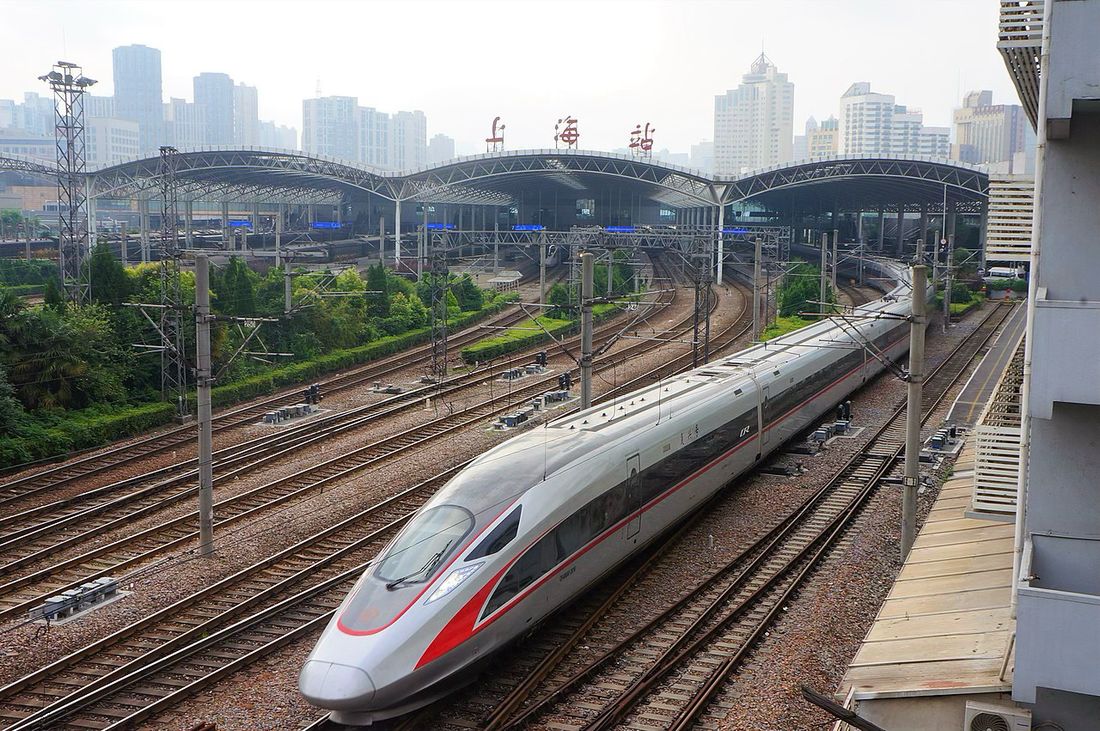
G (Gaosu) trains. The fastest trains you can book in China, with top speeds of 400 km/h — the second fastest commercial trains in the world. (The fastest, the Shanghai maglev at 431 km/h, runs only between Shanghai Pudong International Airport and Longyang Road.) G trains usually operate middle-to-long-distance routes such as Beijing–Shanghai and Beijing–Guangzhou, and are like airplanes in comfort and refinement, with Wi-Fi available. Where a conventional train would take more than 24 hours, a G train takes 7–8 hours depending on the stops. They are daytime trains — there are no sleeper compartments.
D (Dongche) trains. The second fastest type in China, with an average speed of 250 km/h (155 mph). D trains are also available as overnight sleeper trains, though not as widely as G trains.
C (Chengji Dongche) trains. Intercity trains that run between neighbouring cities, with an average speed of 200 km/h (124 mph).
Seat classes on high-speed trains
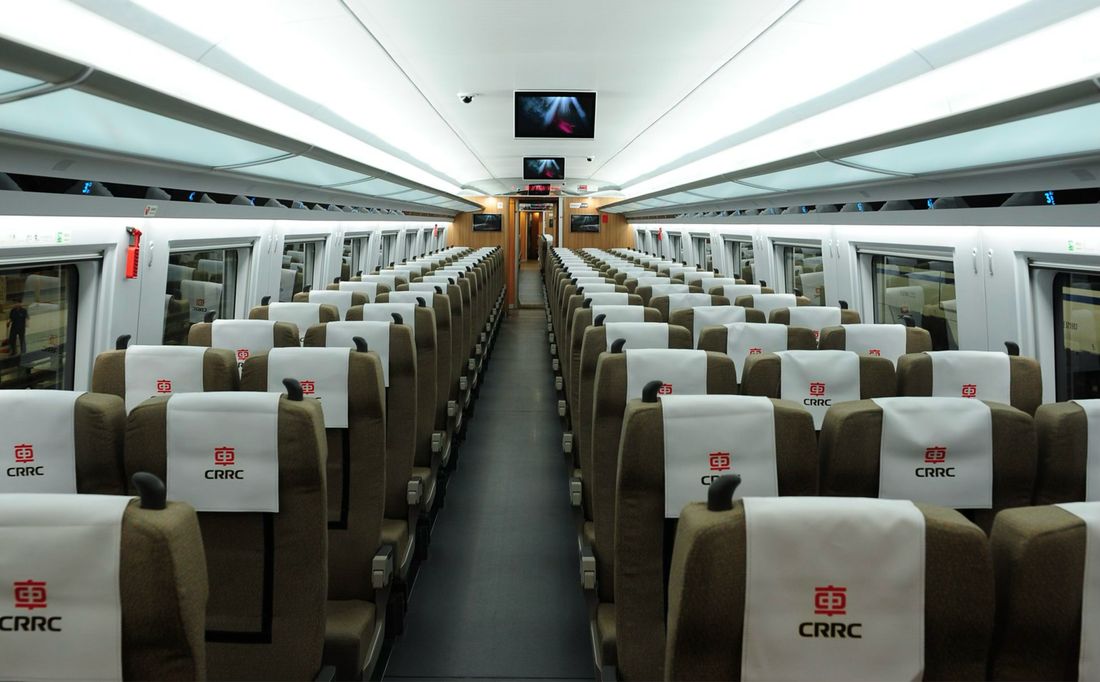
G trains offer three seat classes (Business, First and Second), while the other high-speed types (D and C) offer two (First and Second).
One note on naming: the comfort ranking on China's high-speed trains runs Business Class, then Premium First Class (where offered), then First Class, then Second Class — the reverse of Western airlines, where First sits above Business.
Business Class (Shangwuzuo). The most comfortable and luxurious seats on G trains. The amenities are similar to what you would expect from Business Class on a plane: fully reclining seats that convert into beds, enhanced privacy, fewer passengers in the car, complimentary snacks and soft drinks, and a dedicated TV.
Most major train stations feature VIP lounges where Business Class travellers can relax before boarding, with complimentary beverages and snacks, newspapers and magazines, free Wi-Fi and more. The lounges may also provide porter services for passengers with large luggage, and wheelchair assistance for those who need it during boarding.
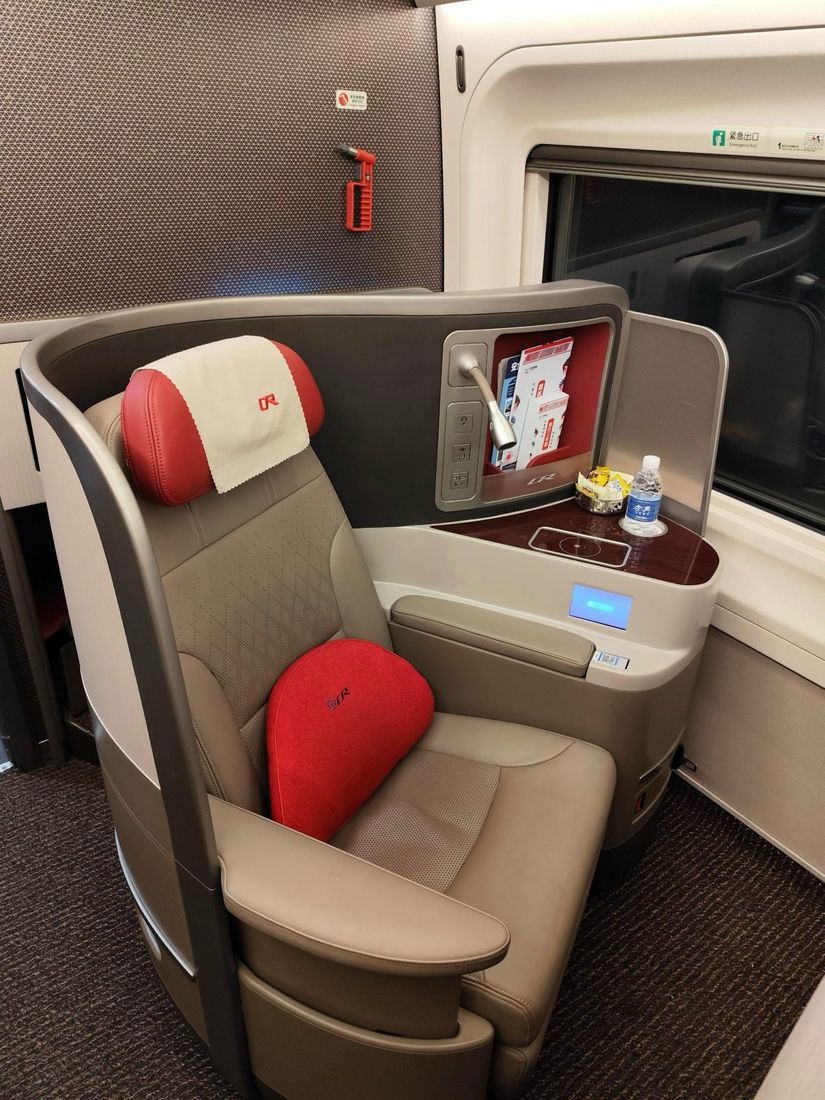
Premium First Class (Youxuan Yidengzuo). On key routes such as Beijing–Shanghai there is sometimes a fourth option, ranking between Business Class and First Class and offering an extra layer of privacy, luxury and comfort. Premium First Class passengers also have access to the Business Class lounge.
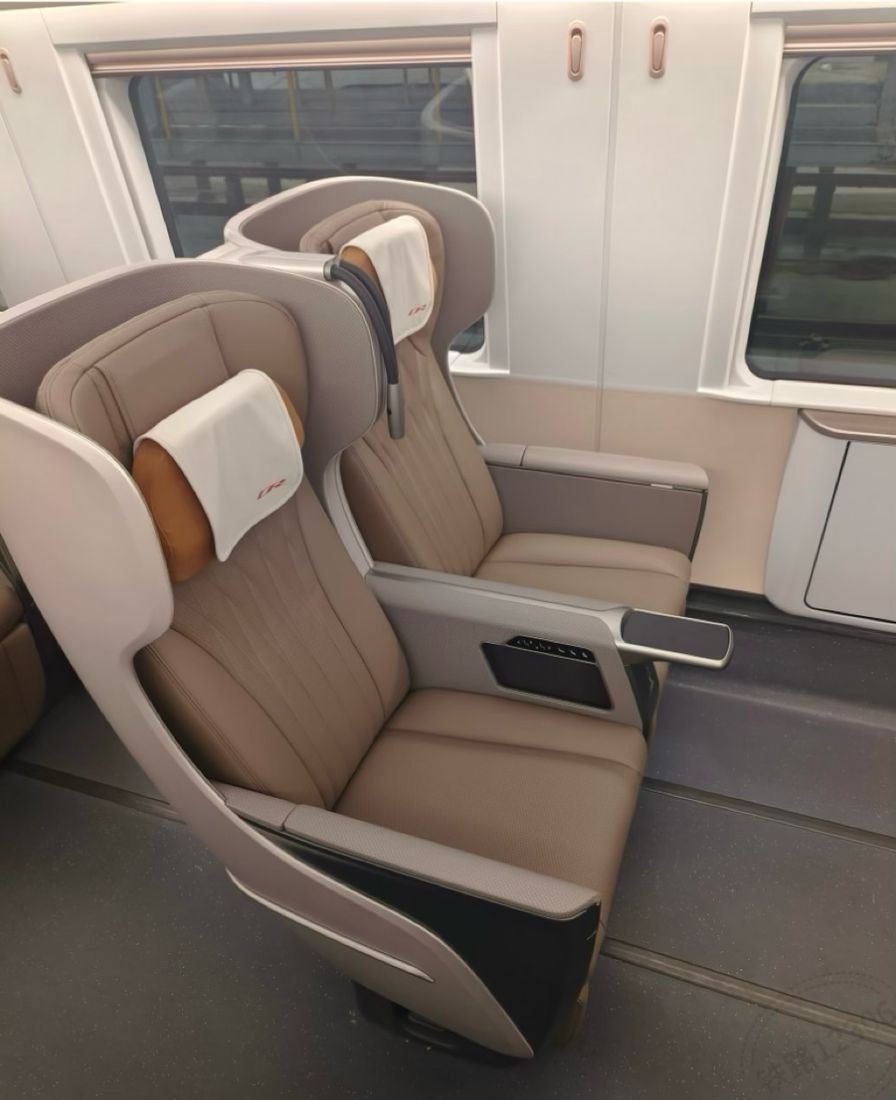
First Class (Yidengzuo). First Class cabins on high-speed trains offer spacious, adjustable seats with more elbow room than Second Class, dedicated power outlets, and fewer seats in a row. This is ORILIVANT CHINA JOURNEYS' recommended class if Business Class is not available.
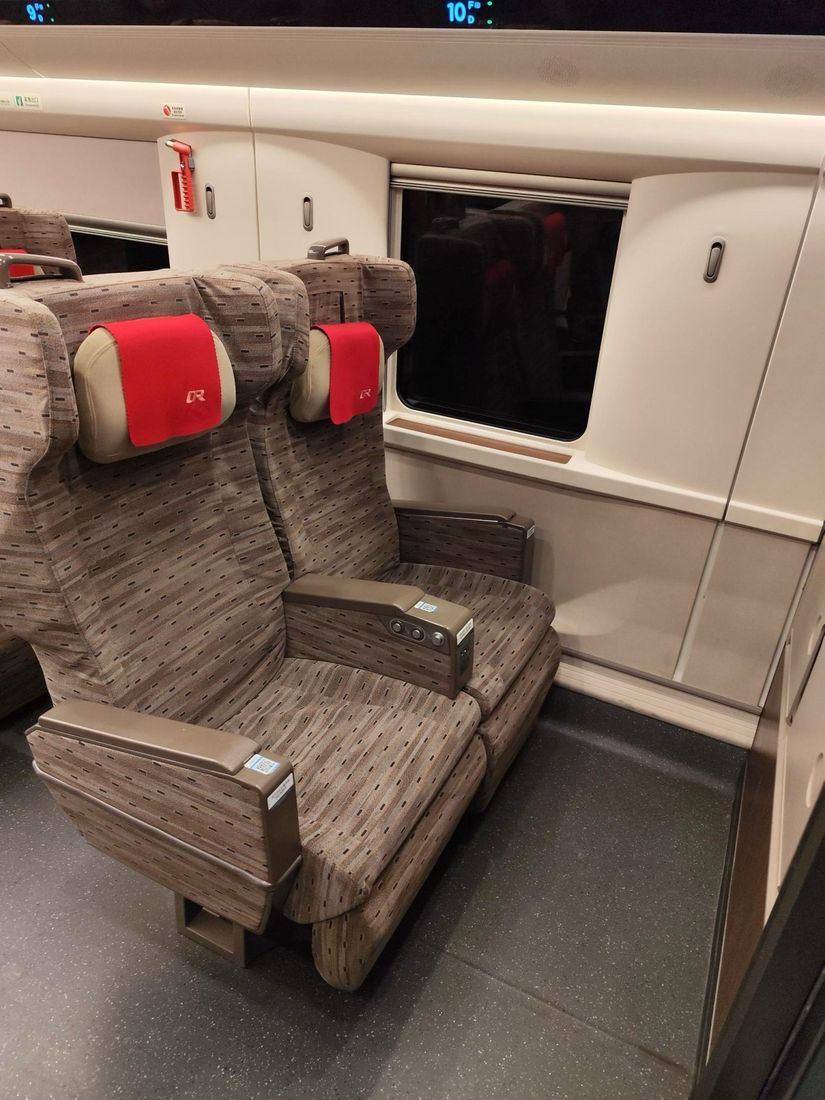
Second Class (Erdengzuo). The most common and most affordable class on high-speed trains, with shared power outlets and less elbow and leg room. It is the most popular choice among local travellers, providing a fine balance between affordability and convenience.
Conventional trains (Z, T, K and four-digit trains)
China's conventional, slower trains offer several classes, catering to very different ways of travelling.
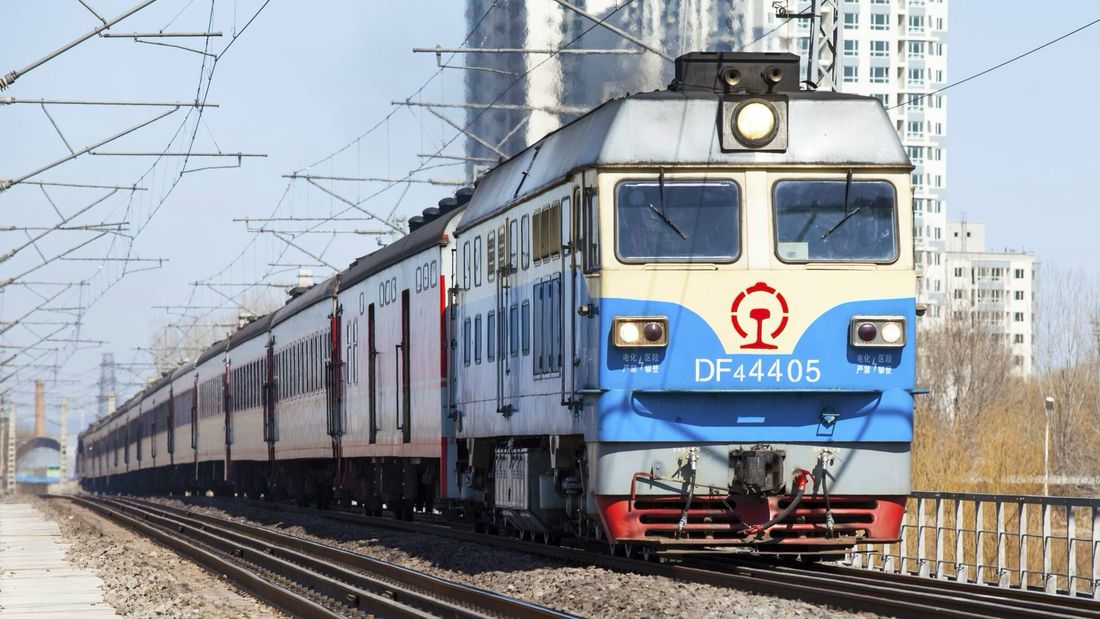
Z trains. Non-stop express services that make only the occasional stop along the way, with a top speed of 160 km/h (100 mph). They run between major cities such as Beijing and Shanghai.
T, K and four-digit trains. Express, fast and local services averaging 120–140 km/h (75–87 mph). These conventional trains have been around since the middle of the twentieth century, and they are an excellent choice if you want to explore the country at a slower pace, as they call at most stations of any size.
Seat classes on conventional trains
Hard Seat (Yingzuo). The most economical choice, and a budget-friendly option for short journeys. Hard seats are, as the name suggests, hard, and not the most comfortable.
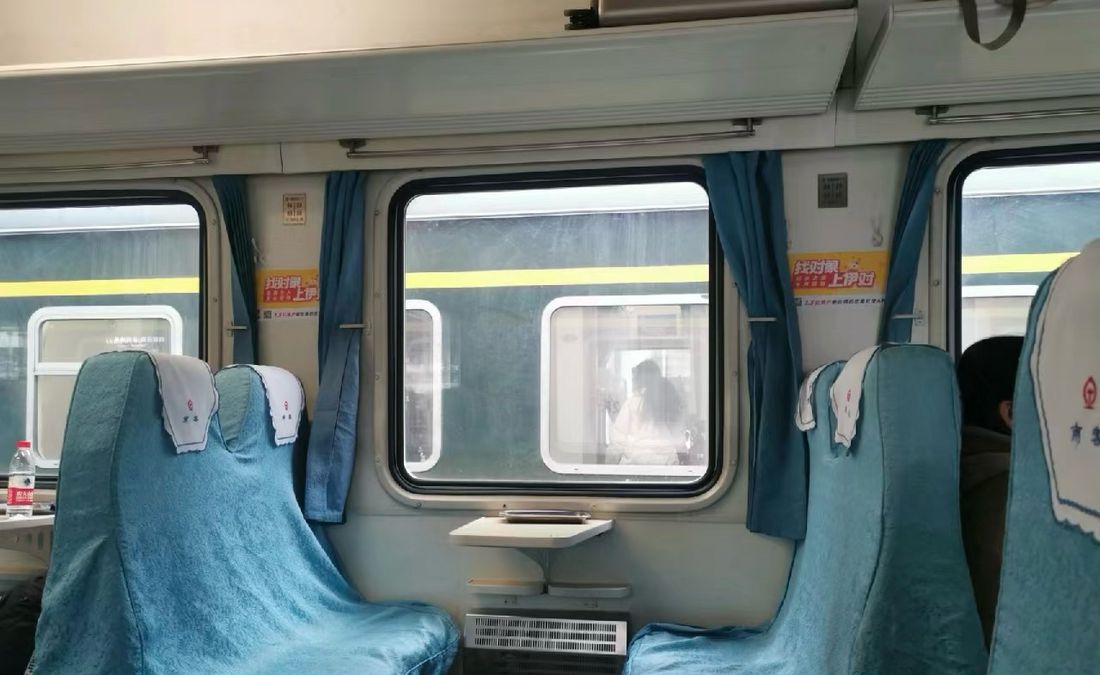
Soft Seat (Ruanzuo). A more comfortable experience with cushioned seating, suitable for medium-distance travel.
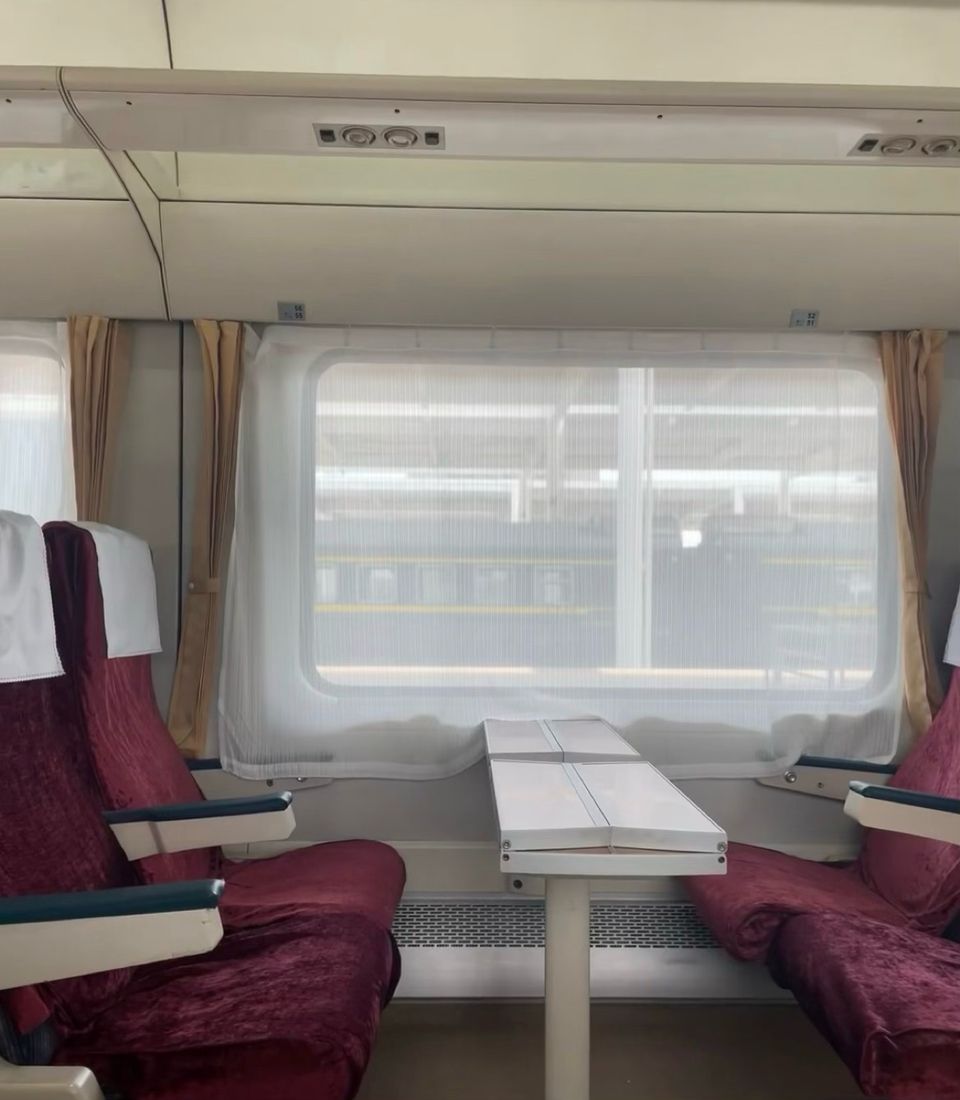
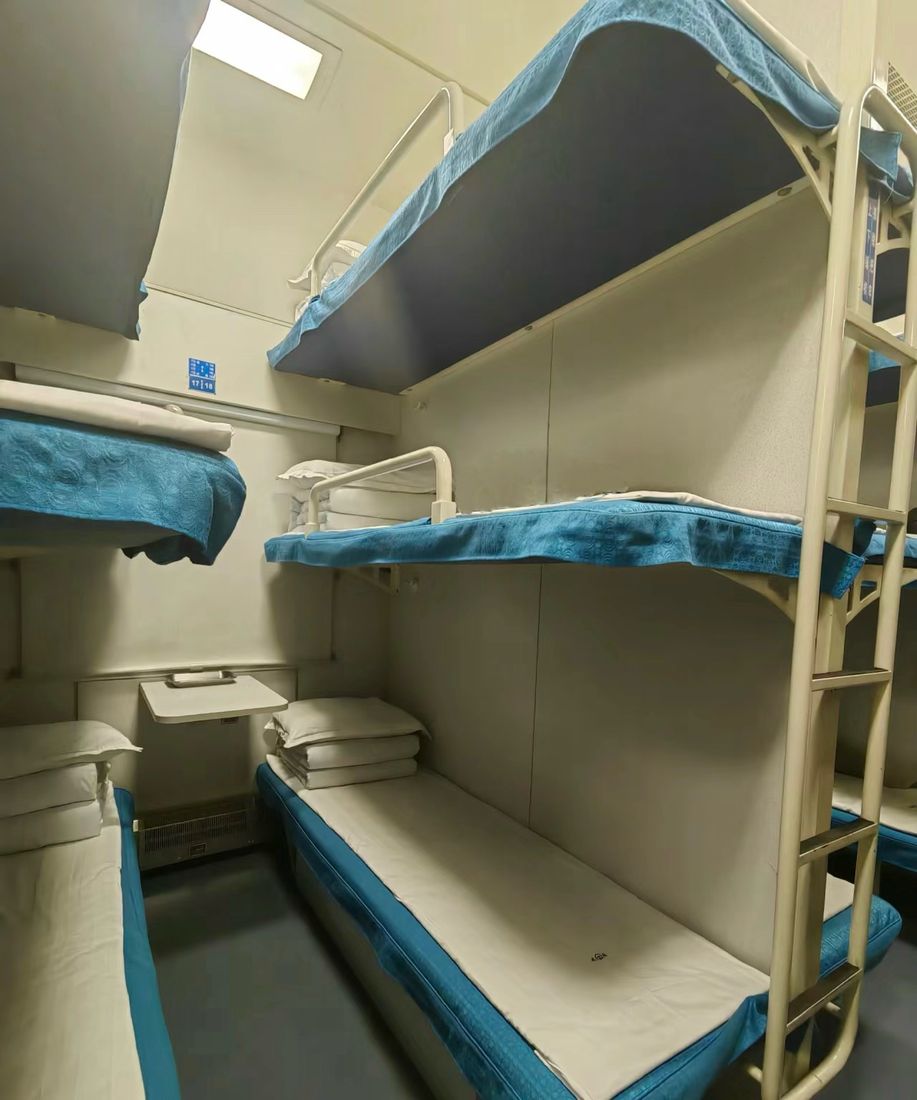
Hard Sleeper (Yingwo). Budget-friendly sleepers with three-tiered bunk beds, suited to overnight journeys where comfort is a secondary consideration. Hard sleeper cars are open-plan, which means less privacy.
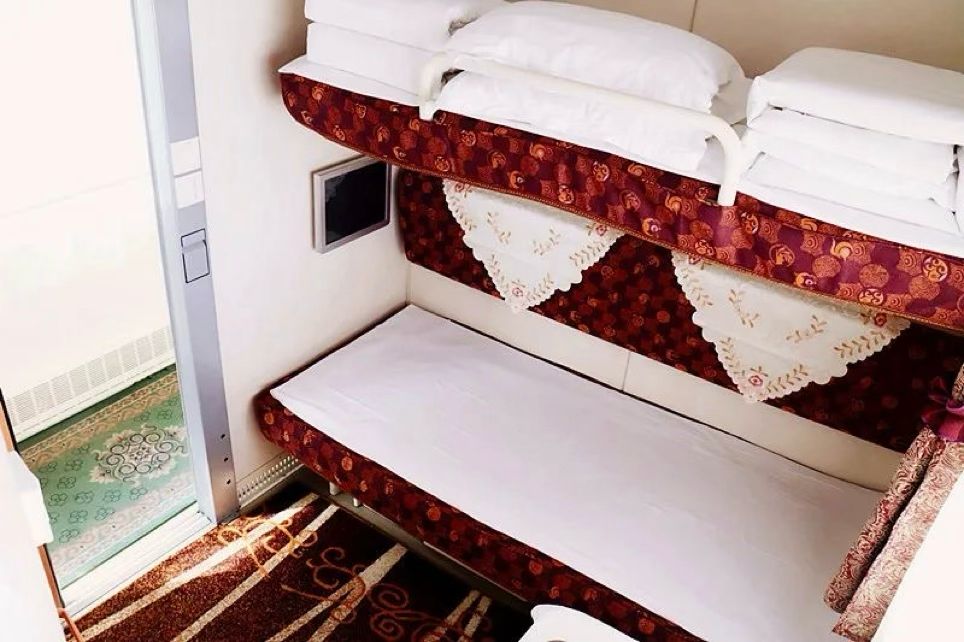
Soft Sleeper (Ruanwo). A higher level of comfort, with two-tiered bunk beds, bedding and more privacy — the four-berth cabins have closing doors. They are perfect for extended overnight travel.
A note on sleepers: all berths are single beds, and travellers with restricted mobility may wish to avoid the upper bunk.
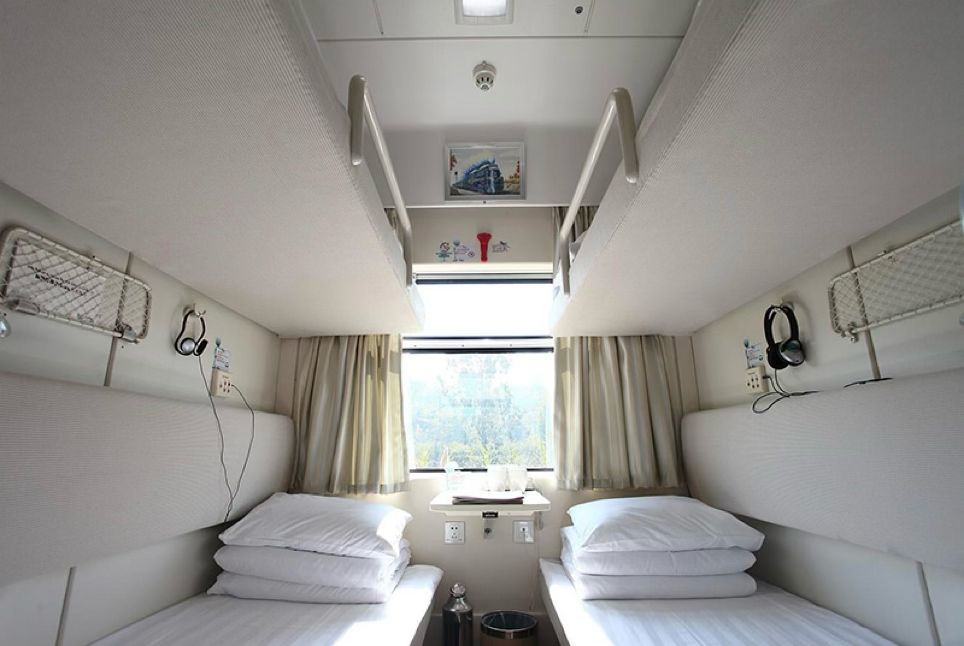
Deluxe Soft Sleeper (Gaoji Ruanwo). The most comfortable class you can find on a conventional train in China. Like soft sleeper cabins they offer bedding and a lockable door, plus a private bathroom with a Western-style toilet, and a complimentary bottle of water once aboard. Only some Z trains offer this class, and the cabin can be fairly small — these are still conventional trains.
Popular routes and fares
The table below shows popular train routes and roughly what they cost.
| Route | Duration | Distance | Business (highest class) | First class | Second class |
|---|---|---|---|---|---|
| Beijing – Shanghai | 4.5–6.5 hours by G-series high-speed train | 1,318 km (819 miles) via Beijing South – Shanghai Hongqiao; 1,454 km (909 miles) via Beijing Railway Station – Shanghai Station | From around US$300 | From around US$150 | From around US$100 |
| Xi'an – Chengdu | 3–5 hours | 658 km (409 miles) | From around US$100 | From around US$60 | From around US$40 |
| Beijing – Xi'an | 3.5–4 hours | 1,200 km (746 miles) | From around US$100 | From around US$60 | From around US$40 |
Frequently asked questions
What should I look out for when booking a train seat? Actual train seats may vary depending on the train model, so treat any photograph as a reference only. ORILIVANT CHINA JOURNEYS will always strive to secure your preferred class of ticket, but there are some limitations beyond our control. Train tickets typically become available 15 days before departure, and on certain routes Business and First Class tickets may not be released until one or two days before travel. Train travel is extremely popular in China, and all tickets are sold through the official national railway system — we are competing with the general public the moment tickets go on sale, and availability can be extremely limited during peak periods such as national holidays and the summer vacation. Some trains carry as few as five Business Class seats, which can sell out almost instantly. If your preferred class is unavailable at the time of booking, we secure the next best option and refund any difference in price.
Do they speak English at stations and on trains? Train staff speak little English, but railway station announcements, including boarding calls, are often provided with English translations.
Is food included? Food is included for Business Class passengers at breakfast, lunch and dinner times. There are three other options once on board: head to the dining car (Car 9 on conventional trains, usually Car 5 on high-speed trains); buy from the circulating food trolley selling snacks and drinks; or order a takeaway and have it delivered to your seat at the next stop — check the 12306 app for delivery options. There are usually plenty of restaurants in and around the station, too. For sleeper trains, your ORILIVANT CHINA JOURNEYS guide will take guests shopping before the journey for everything they need for dinner, breakfast and lunch on board.
What baggage should I bring? Consider baggage with wheels: most stations have long flights of stairs, though wheel ramps are available.
Is Wi-Fi available on the train? Yes, free Wi-Fi is offered on board, though the speed may be slow due to data limits.
Are there outlets for charging personal devices? Yes, and their location depends on seat class. In Business Class the USB outlet is above the desk; in First and Premium First Class, under the seat arm; in Second Class, on the back of the seat in front or between the seats.
Are pets allowed? Pets can be checked on the Beijing–Shanghai route, at any of five stations: Beijing South, Jinan West, Nanjing South, Shanghai Hongqiao and Hangzhou East. They travel in a separate car designed specifically for quietness and better ventilation, with a designated staff member checking on them regularly.
What are the security regulations like? As with airplanes, firearms, explosives, knives, toxins, corrosives and other dangerous items are prohibited on board. Nail polish, nail polish remover and hair dye are allowed up to 50 ml in total. Aerosols such as deodorant, hair mousse and insect spray should be under 150 ml each and 600 ml in total. Two safety matches and two regular lighters are permitted per person. Alcoholic drinks between 24% and 70% are also permitted, as long as they are fully sealed, clearly labelled and no more than 3,000 ml. China Railway publishes the full list of prohibited items, and your travel designer can share the current version.
Are there porter services to help with luggage? Most major city train stations — Beijing, Shanghai, Chengdu and Xi'an, among others — offer a porter service that ORILIVANT CHINA JOURNEYS can book for you. The porter will help carry baggage on and off the train and through the station. For travellers entering mainland China through Hong Kong, China, the service is not available, as you pass through immigration and porters cannot accompany you through. Get in touch with us to check availability on your route.
What are the toilet facilities like? Public toilets and washbasins are located at the end of every car. High-speed trains are equipped with several Western-style toilets across the train; conventional trains usually have squat toilets only. As with all Chinese public toilets, travellers are advised to bring their own hand soap, toilet paper and other sanitary supplies. On high-speed trains, an accessible WC with a Western-style toilet and a changing table is located in Car 5.